
Fixed vs. Variable Rate Home Loans: Which Is Right for You?
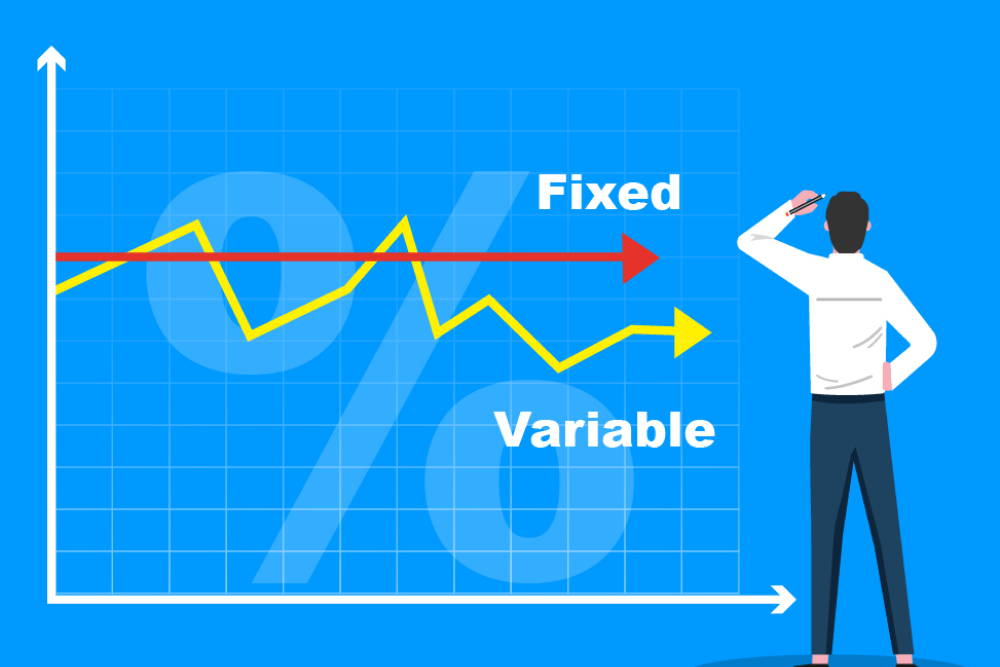
Choosing the right home loan can be a daunting task, especially when deciding between a fixed or variable interest rate. Both options have their advantages and potential drawbacks, so understanding how each works can help you make an informed decision.
Fixed Rate Home Loans
A fixed-rate home loan offers stability and predictability. With this option, your interest rate is locked in for a specific period—usually 1 to 5 years. This means your repayments stay the same throughout the fixed term, regardless of changes in the broader market.
Advantages:
- Predictability: You know exactly how much you’ll be repaying, which can make budgeting easier, especially if you’re a first-time buyer or on a tight budget.
- Protection from Rate Hikes: If interest rates rise, your repayments won’t be affected, potentially saving you money over time.
Disadvantages:
- Less Flexibility: Most fixed-rate loans come with restrictions on making extra repayments or paying off the loan early, often resulting in break fees if you want to switch.
- Missing Out on Rate Drops: If market interest rates fall, your rate stays the same, meaning you won’t benefit from lower repayments.
Variable Rate Home Loans
A variable-rate home loan fluctuates with the market. When interest rates rise or fall, your repayments will adjust accordingly, giving you the potential to save when rates are low.
Advantages:
- Flexibility: Variable loans typically offer more features, such as the ability to make extra repayments, use offset accounts, and redraw any overpayments.
- Benefit from Rate Cuts: If the Reserve Bank of Australia (RBA) lowers interest rates, your repayments decrease, which can save you money in the long run.
Disadvantages:
- Uncertainty: Your repayments can increase if interest rates rise, which may affect your budget and long-term financial plans.
- Budgeting Challenges: Because your repayments can fluctuate, it may be harder to predict and manage your cash flow.
Which Option Is Right for You?
The choice between fixed and variable depends on your financial situation, risk tolerance, and long-term goals. Consider the following:
- If Stability Is Key: A fixed-rate loan may be better if you prefer the security of knowing your repayments won’t change, especially if you expect interest rates to rise in the near future.
- If Flexibility Is Important: A variable-rate loan could suit you if you’re comfortable with market fluctuations and want the option to make extra repayments or use an offset account.
- Hybrid Loans: Can’t decide? Some lenders offer split loans, allowing you to fix part of your loan while the rest remains variable. This can give you a balance of security and flexibility.